Oral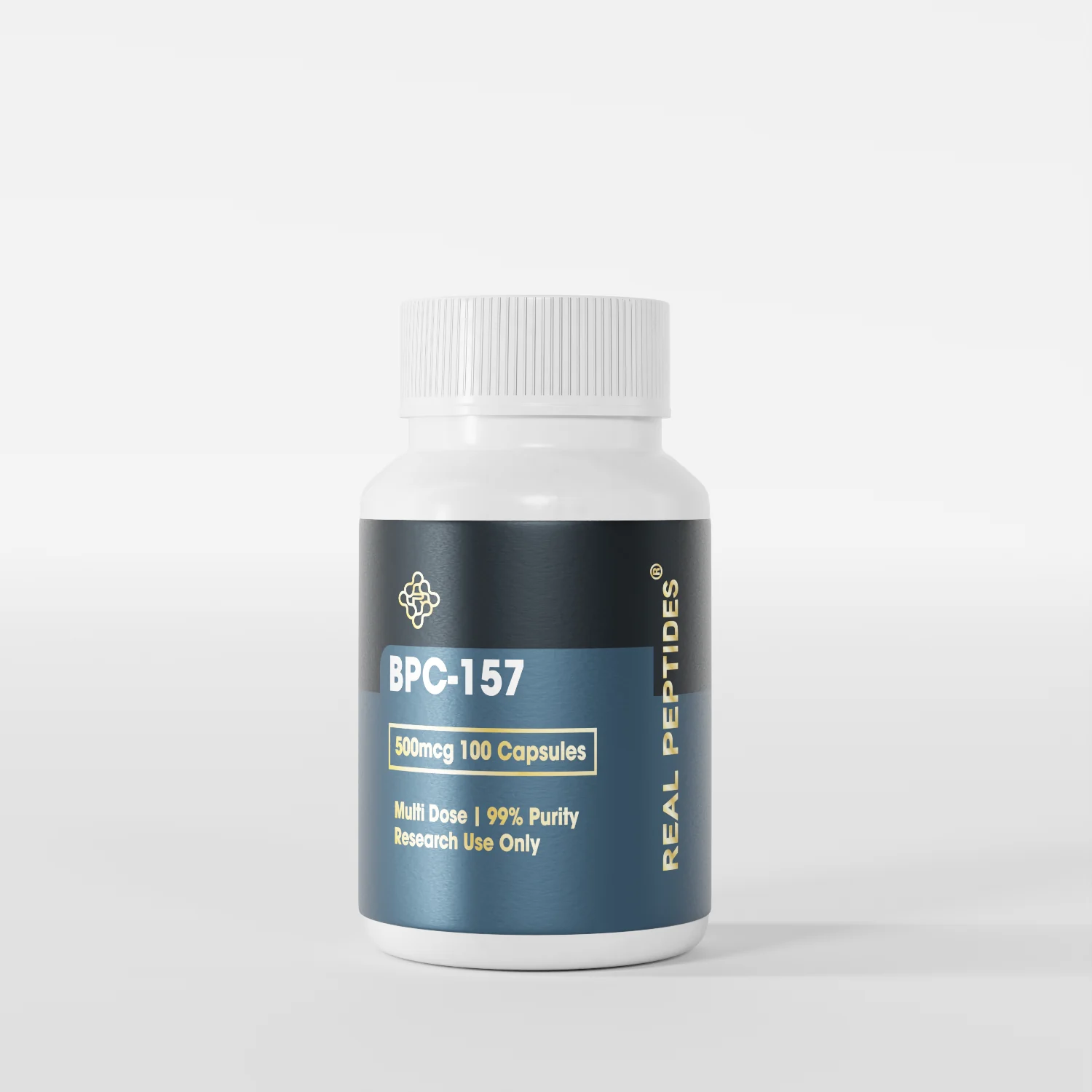
Independent guide to oral BPC-157 capsules
BPC 157 capsules side effects: no controlled human trial has measured them, why FDA flagged safety concerns in 2023, and product risks buyers can check.
Most reported side effects are mild and temporary. Common reactions include flushing, nausea, headache and injection-site redness. If symptoms persist or worsen, stop use and consult a healthcare provider.
In September 2023 FDA placed BPC-157 in Category 2 of its interim bulk-substances lists because of safety concerns, and as of November 2026 no controlled human trial has measured its side effects by any route. That is the starting point for any honest page on bpc 157 capsules side effects: the profile is unknown, not mild.
Here, you can see what information you can expect and what can’t exist. BPC-157 is available for laboratory research and is not intended for medical use. There is no advice in this text pertaining to health.
There is no controlled human data on side effects of oral BPC-157. Published research is mostly rodent work on tendon, muscle and gut tissue, and human data is limited to small uncontrolled studies.
Uncontrolled small studies are not very useful for safety issues. Due to the limited number of participants with no control group, it is impossible to determine if a side effect is due to the substance. A study with an acceptable safety record does not tell much.
Research using animals cannot bridge the gap either. A study with rodents might provide information about tissue responses, but it would not be able to show what a human might perceive or report; in addition, differences between species creates a new question about long-term risk in humans.
The majority of what is regarded as "reported side effects" of BPC-157 capsules is hearsay from forums and vendor testimonials. Hence, it is not systematic, it cannot be verified, and it cannot be linked to any specific product or purity.
I read these reports like I read product reviews: as indicators not as facts. Two people reporting the same symptom from two different bottles could be having different reactions, as unregulated products differ. Also, people who experience nothing are less likely to respond.
The seller information for the Real Peptides capsules does not mention side effects, so cautious sellers should not have side effects either because they are not a product designed for humans. If you see a seller of capsules that provides such a list, that means they are implying that they are selling it as something that can be used by people, and this is the same thing that the FDA letters from August 2026 warned about.
The FDA's classification of BPC-157 as Category 2 in September 2023 implied that no compounding pharmacy could utilize this product while the agency contemplated safety issues related to its use. This merely indicates that a regulatory body has left the question of its safety open.
The July 23, 2026 advisory committee vote recommended adding BPC-157 to the 503A bulks list by 8-6 with 1 abstention. A split that close shows the experts did not agree, and the vote is non-binding. FDA still has to decide and complete rulemaking. Until then, nothing about the safety picture has formally changed. Our FDA status page covers the process.
In the case of capsules, there isn’t any issue that is related to BPC-157 itself. One can check whether the following problems exist at the product level:
These checks do not make a research compound safe for people. They only make sure you know what you have. The buying page covers COA reading in more detail.
BPC-157 is on the WADA Prohibited List. For an athlete subject to testing, that is a definite consequence regardless of format, and oral capsules are not exempt.
In testing sport, no one should get involved in any way, shape or form. Positive testing is an evident risk, unlike many reported side effects.
Talk to a doctor before considering any unapproved peptide for yourself, and right away if you have taken one and feel unwell. Bring the product label and COA so they know what was in it.
A doctor cannot give you a dose for BPC-157 capsules, because none exists, as our dosage page explains. They can assess symptoms and interactions with anything else you take. For the research background behind the oral format, see our oral BPC-157 guide.
In September 2023 FDA placed BPC-157 in Category 2 of its interim bulk-substances lists because of safety concerns, and as of November 2026 no controlled human trial has measured its side effects by any route. That is the starting point for any honest page on bpc 157 capsules side effects: the profile is unknown, not mild.
Here, you can see what information you can expect and what can’t exist. BPC-157 is available for laboratory research and is not intended for medical use. There is no advice in this text pertaining to health.
There is no controlled human data on side effects of oral BPC-157. Published research is mostly rodent work on tendon, muscle and gut tissue, and human data is limited to small uncontrolled studies.
Uncontrolled small studies are not very useful for safety issues. Due to the limited number of participants with no control group, it is impossible to determine if a side effect is due to the substance. A study with an acceptable safety record does not tell much.
Research using animals cannot bridge the gap either. A study with rodents might provide information about tissue responses, but it would not be able to show what a human might perceive or report; in addition, differences between species creates a new question about long-term risk in humans.
The majority of what is regarded as "reported side effects" of BPC-157 capsules is hearsay from forums and vendor testimonials. Hence, it is not systematic, it cannot be verified, and it cannot be linked to any specific product or purity.
I read these reports like I read product reviews: as indicators not as facts. Two people reporting the same symptom from two different bottles could be having different reactions, as unregulated products differ. Also, people who experience nothing are less likely to respond.
The seller information for the Real Peptides capsules does not mention side effects, so cautious sellers should not have side effects either because they are not a product designed for humans. If you see a seller of capsules that provides such a list, that means they are implying that they are selling it as something that can be used by people, and this is the same thing that the FDA letters from August 2026 warned about.
The FDA's classification of BPC-157 as Category 2 in September 2023 implied that no compounding pharmacy could utilize this product while the agency contemplated safety issues related to its use. This merely indicates that a regulatory body has left the question of its safety open.
The July 23, 2026 advisory committee vote recommended adding BPC-157 to the 503A bulks list by 8-6 with 1 abstention. A split that close shows the experts did not agree, and the vote is non-binding. FDA still has to decide and complete rulemaking. Until then, nothing about the safety picture has formally changed. Our FDA status page covers the process.
In the case of capsules, there isn’t any issue that is related to BPC-157 itself. One can check whether the following problems exist at the product level:
These checks do not make a research compound safe for people. They only make sure you know what you have. The buying page covers COA reading in more detail.