Oral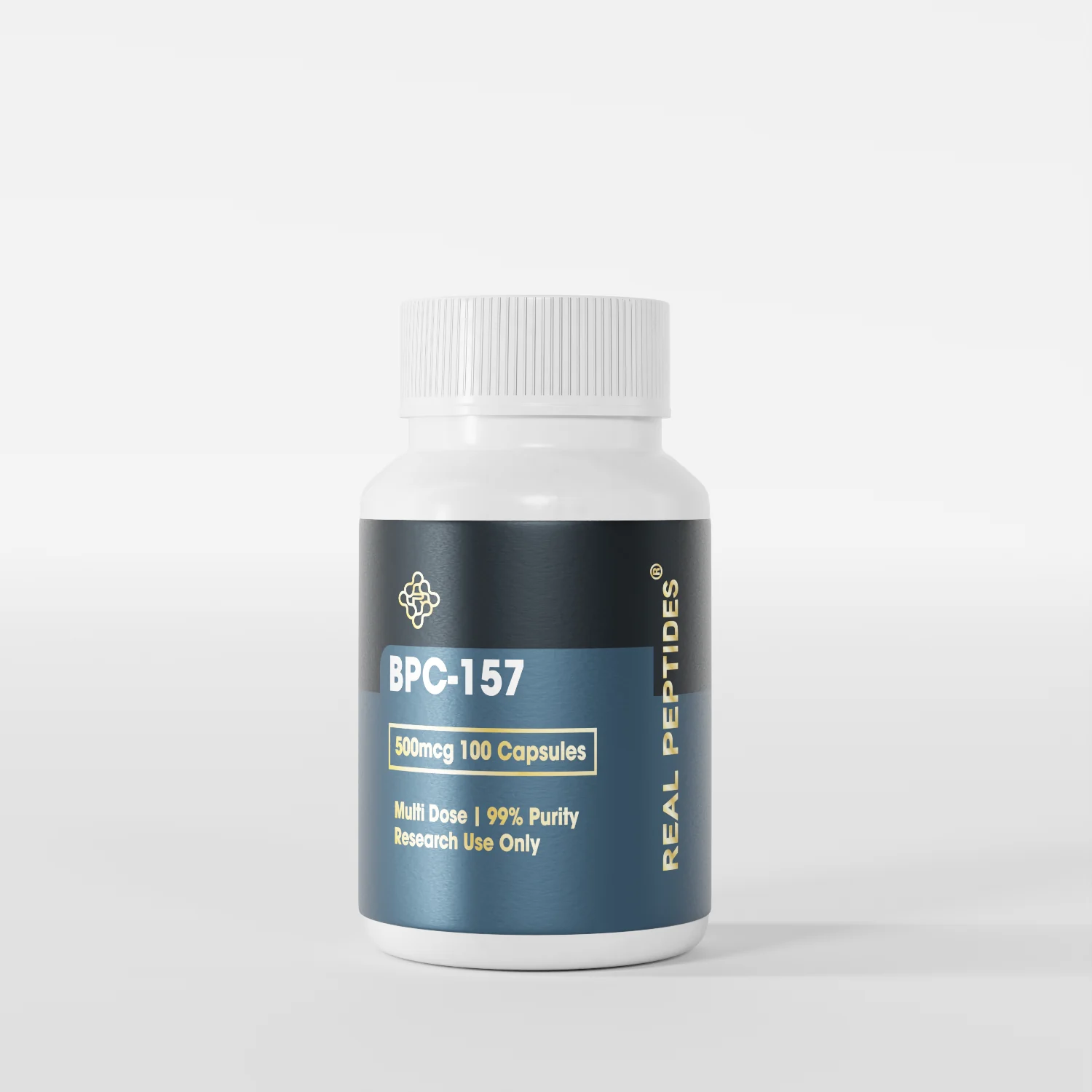
Independent guide to oral BPC-157 capsules
BPC 157 gut research explained: the gastric juice origin, rodent gut models, what they do not prove in people, and how to read gut claims on product pages.
BPC-157 is an artificial peptide consisting of 15 amino acids. It has been derived from a protein found in gastric juice, and most animal studies are from tissues like the gut, tendon and muscle. That's the reason why the BPC-157 gut connection is attracting a lot of interest for its capsules.
The interest is real; the human proof is not. This page explains where the gut angle comes from, what it shows in animals, and what it does not show. BPC-157 is not FDA-approved, is sold for research use only, and nothing here is a health claim.
Since BPC-157's origins lie in a protein found in gastric juice, it has possible links to the gastrointestinal system from its inception and in its name.
For scientists, the source raised an important question. The reality is that the majority of peptides are broken down by following the acidic environment of the stomach and action of digestive enzymes, however, peptide which originates from something that already exists in gastric juice might reasonably be stable enough there. This question serves as an initial point for almost every study of BPC-157 taken in oral form.
The source is a reason to test and not the outcome. A peptide that comes from a belly protein does not mean it does anything helpful in an intestinal tract of a human being.
The studies regarding BPC-157 are mainly studies placed on rodents. Gut tissue systems are just one of the places where research is being done, and with both tendons and muscles, the oral route is very appropriate to get to the gut tissues in a natural way.
This is the most powerful version of the oral argument: if the compound acts locally on tissues of the gut in animals, there is no need to have the substance absorbed into the body and transported elsewhere via the oral route.
We do not list specific study results here, because results from animal models are easy to overstate and the human data is limited to small uncontrolled studies. Our oral BPC-157 guide covers how the route was studied in broader terms.
The gut research does not prove BPC-157 treats, cures or prevents any digestive condition in people. No controlled human trial has confirmed a benefit.
Three gaps sit between the rodent work and a person:
FDA has not approved BPC-157 for any use, and the agency placed it in Category 2 in September 2023 over safety concerns. The July 23, 2026 advisory committee vote to recommend it for the 503A bulks list is not an approval and is not final. Details are on our FDA status page.
The gut angle is the main selling story for oral BPC-157, and it is why a capsule can carry a premium. The one capsule listing in our set, Real Peptides BPC-157 Capsules, costs $120.00 for 100 capsules, or $1.20 per capsule.
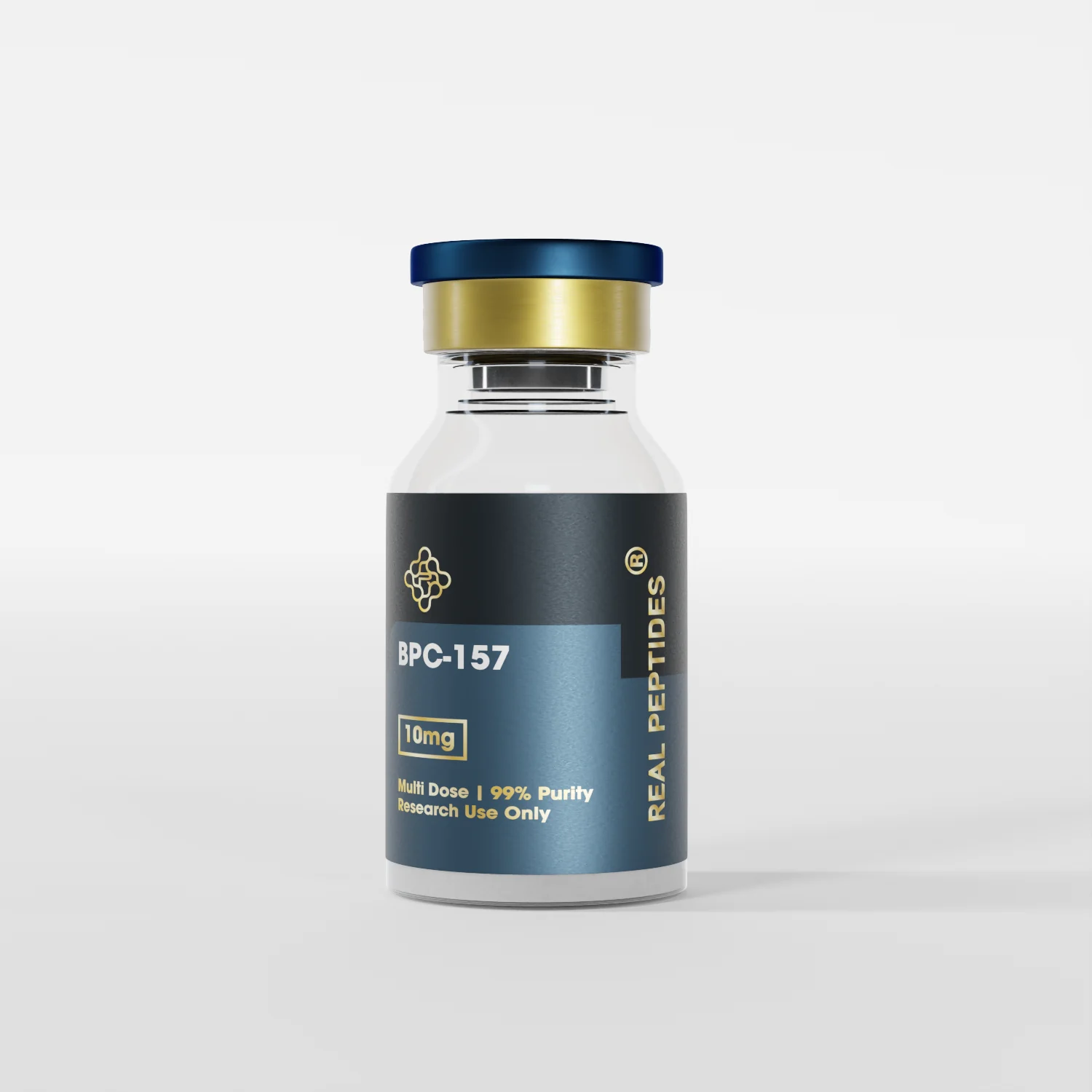
The vial format from the same vendor is $43.20 for 10 mg, which is $4.32 per mg, and the capsule vendor itself describes its bottle as having a significantly higher per-mg cost than vials. Buyers pay for the oral format and the gut story that comes with it. The numbers are on our capsules vs vials price page.
Sellers tend to cross the line gut-related claims made on a capsule page. If a page mentions that the BPC-157 capsules cure, fix, or treat a gut problem, it implies making a disease claim regarding a non-approved substance.
FDA's August 24, 2026 warning letters to five online peptide vendors said disease claims and dosing guidance count as evidence that products are meant for human use, whatever the label says. BPC-157 was not named in those letters, but the reasoning applies to anyone selling it.
When I analyze a seller, a site that describes research as that of rodent intestines is a positive sign. However, a site dealing with gut healing is cause for concern. If you have digestive issues, seek medical help, as research cannot act as a diagnosis.
BPC-157 is an artificial peptide consisting of 15 amino acids. It has been derived from a protein found in gastric juice, and most animal studies are from tissues like the gut, tendon and muscle. That's the reason why the BPC-157 gut connection is attracting a lot of interest for its capsules.
The interest is real; the human proof is not. This page explains where the gut angle comes from, what it shows in animals, and what it does not show. BPC-157 is not FDA-approved, is sold for research use only, and nothing here is a health claim.
Since BPC-157's origins lie in a protein found in gastric juice, it has possible links to the gastrointestinal system from its inception and in its name.
For scientists, the source raised an important question. The reality is that the majority of peptides are broken down by following the acidic environment of the stomach and action of digestive enzymes, however, peptide which originates from something that already exists in gastric juice might reasonably be stable enough there. This question serves as an initial point for almost every study of BPC-157 taken in oral form.
The source is a reason to test and not the outcome. A peptide that comes from a belly protein does not mean it does anything helpful in an intestinal tract of a human being.
The studies regarding BPC-157 are mainly studies placed on rodents. Gut tissue systems are just one of the places where research is being done, and with both tendons and muscles, the oral route is very appropriate to get to the gut tissues in a natural way.
This is the most powerful version of the oral argument: if the compound acts locally on tissues of the gut in animals, there is no need to have the substance absorbed into the body and transported elsewhere via the oral route.
We do not list specific study results here, because results from animal models are easy to overstate and the human data is limited to small uncontrolled studies. Our oral BPC-157 guide covers how the route was studied in broader terms.
The gut research does not prove BPC-157 treats, cures or prevents any digestive condition in people. No controlled human trial has confirmed a benefit.
Three gaps sit between the rodent work and a person:
FDA has not approved BPC-157 for any use, and the agency placed it in Category 2 in September 2023 over safety concerns. The July 23, 2026 advisory committee vote to recommend it for the 503A bulks list is not an approval and is not final. Details are on our FDA status page.
The gut angle is the main selling story for oral BPC-157, and it is why a capsule can carry a premium. The one capsule listing in our set, Real Peptides BPC-157 Capsules, costs $120.00 for 100 capsules, or $1.20 per capsule.
The vial format from the same vendor is $43.20 for 10 mg, which is $4.32 per mg, and the capsule vendor itself describes its bottle as having a significantly higher per-mg cost than vials. Buyers pay for the oral format and the gut story that comes with it. The numbers are on our capsules vs vials price page.