Oral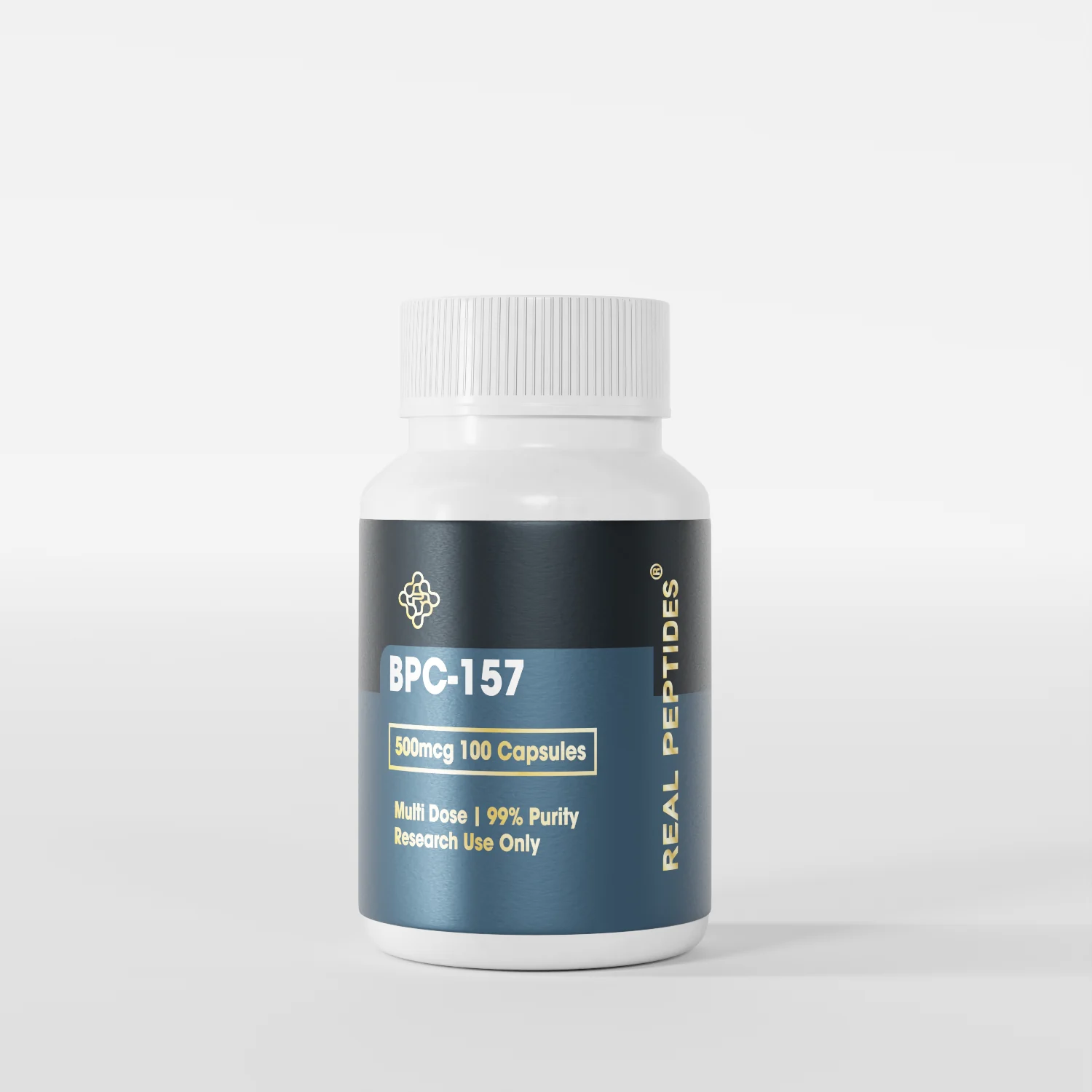
Independent guide to oral BPC-157 capsules
BPC 157 FDA status in 2026: the 2023 Category 2 placement, the July 23 committee vote of 8-6, the steps still needed, and the August warning letters.
On July 23, 2026, FDA's Pharmacy Compounding Advisory Committee voted 8-6, with 1 abstention, to recommend adding BPC-157 to the 503A bulks list. That is the biggest change in the bpc 157 fda picture since 2023, and it is still only a recommendation.
Monitoring FDA news is important to us because it dictates what claims and products research providers can make and offer for sale. This page lays out the timeline, what the votes means and does not mean, and what this means for people who purchase capsules. BPC-157 is still not approved and is sold for research purposes only.
BPC-157 is a non-FDA approved medicine, and compounding pharmacies are nevertheless unable to use the substance. The committee recommendations haven't been implemented into a law.
Research suppliers offer BPC-157, such as the Real Peptides products that cost $120.00 for 100 capsules. The labels state that they are “for research purposes only.” As per the reports, the draft policy from HHS from late October 2026 suggests less strict enforcement of regulations about six compounds. However, this draft policy is not a definite decision, thus BPC-157 is still not recognized as a legal drug.
In September 2023 FDA placed BPC-157 in Category 2 of its interim bulk-substances lists. Category 2 meant compounding pharmacies could not use it while FDA reviewed safety concerns.
In its Category 2 ban, research suppliers were not prohibited from marketing BPC-157 labeled as intended for research use although it made it illegal to supply this compound through pharmacies thereby eliminating the need of a prescription and a physician.
TB-500 was categorized in the same manner around the same date. This was the cause of the fact that BPC-157 has been available mainly to research facilities in the US through vendor stores rather than by prescription.
The committee recommended six peptides for the 503A bulks list across two days. The votes were close for most of them.
| Peptide | Date | Vote |
|---|---|---|
| BPC-157 | July 23, 2026 | 8-6, 1 abstention |
| TB-500 | July 23, 2026 | 8-6, 1 abstention |
| KPV | July 23, 2026 | 8-6, 1 abstention |
| MOTS-c | July 23, 2026 | 8-6, 1 abstention |
| Epitalon | July 24, 2026 | 7-4 |
| Semax | July 24, 2026 | 8-5 |
GHK-Cu, Melanotan II, LL-37, dihexa and PEG-MGF were not decided upon at the July meeting and will be subject to committee assessment before February 2027.
The committee voted against emideltide. An 8-6 split on BPC-157 shows a divided panel, not a consensus that the safety questions behind the 2023 placement are settled.
The vote is advice to FDA. Several steps would have to follow before a compounding pharmacy could legally use BPC-157:
As of the July meeting none of the six had been added. Even after a final rule, compounded BPC-157 would be a prescription product with a clinician deciding its use, which is different from research capsules sold online. The difference between the two is covered on our dosage page.
On August 24, 2026 FDA sent warning letters to five online peptide vendors for selling unapproved new drugs. BPC-157 was not among the products named.
The letters still matter to anyone selling or buying BPC-157 capsules. FDA said a "research use only" label does not decide the question; it looks at the whole website. Disease claims, dosing guidance and calculators were treated as evidence of intended human use. A capsule page that promises gut healing or posts intake schedules is exposed in the same way. Our gut page shows how those claims usually appear.
Sellers who offer their pills with their manual or make statements like “you will have healthy gut and connective tissues” will get treated in accordance with the same rules that the five vendors faced.
For companies that develop products, the guiding principle is to use the term "research" in describing their work, thus informing consumers that they follow a path of sustainability.
FDA status and sport rules are separate. BPC-157 is on the WADA Prohibited List, and nothing in the July vote changes that.
An athlete subject to testing should not use BPC-157 in any form, oral capsules included. For everyone else, the regulatory position is that BPC-157 is unapproved, and the right person to ask about your health is your doctor. For the safety background, see our side effects page.
On July 23, 2026, FDA's Pharmacy Compounding Advisory Committee voted 8-6, with 1 abstention, to recommend adding BPC-157 to the 503A bulks list. That is the biggest change in the bpc 157 fda picture since 2023, and it is still only a recommendation.
Monitoring FDA news is important to us because it dictates what claims and products research providers can make and offer for sale. This page lays out the timeline, what the votes means and does not mean, and what this means for people who purchase capsules. BPC-157 is still not approved and is sold for research purposes only.
BPC-157 is a non-FDA approved medicine, and compounding pharmacies are nevertheless unable to use the substance. The committee recommendations haven't been implemented into a law.
Research suppliers offer BPC-157, such as the Real Peptides products that cost $120.00 for 100 capsules. The labels state that they are “for research purposes only.” As per the reports, the draft policy from HHS from late October 2026 suggests less strict enforcement of regulations about six compounds. However, this draft policy is not a definite decision, thus BPC-157 is still not recognized as a legal drug.
In September 2023 FDA placed BPC-157 in Category 2 of its interim bulk-substances lists. Category 2 meant compounding pharmacies could not use it while FDA reviewed safety concerns.
In its Category 2 ban, research suppliers were not prohibited from marketing BPC-157 labeled as intended for research use although it made it illegal to supply this compound through pharmacies thereby eliminating the need of a prescription and a physician.
TB-500 was categorized in the same manner around the same date. This was the cause of the fact that BPC-157 has been available mainly to research facilities in the US through vendor stores rather than by prescription.
The committee recommended six peptides for the 503A bulks list across two days. The votes were close for most of them.
| Peptide | Date | Vote |
|---|---|---|
| BPC-157 | July 23, 2026 | 8-6, 1 abstention |
| TB-500 | July 23, 2026 | 8-6, 1 abstention |
| KPV | July 23, 2026 | 8-6, 1 abstention |
| MOTS-c | July 23, 2026 | 8-6, 1 abstention |
| Epitalon | July 24, 2026 | 7-4 |
| Semax | July 24, 2026 | 8-5 |
GHK-Cu, Melanotan II, LL-37, dihexa and PEG-MGF were not decided upon at the July meeting and will be subject to committee assessment before February 2027.
The committee voted against emideltide. An 8-6 split on BPC-157 shows a divided panel, not a consensus that the safety questions behind the 2023 placement are settled.
The vote is advice to FDA. Several steps would have to follow before a compounding pharmacy could legally use BPC-157:
As of the July meeting none of the six had been added. Even after a final rule, compounded BPC-157 would be a prescription product with a clinician deciding its use, which is different from research capsules sold online. The difference between the two is covered on our dosage page.