Oral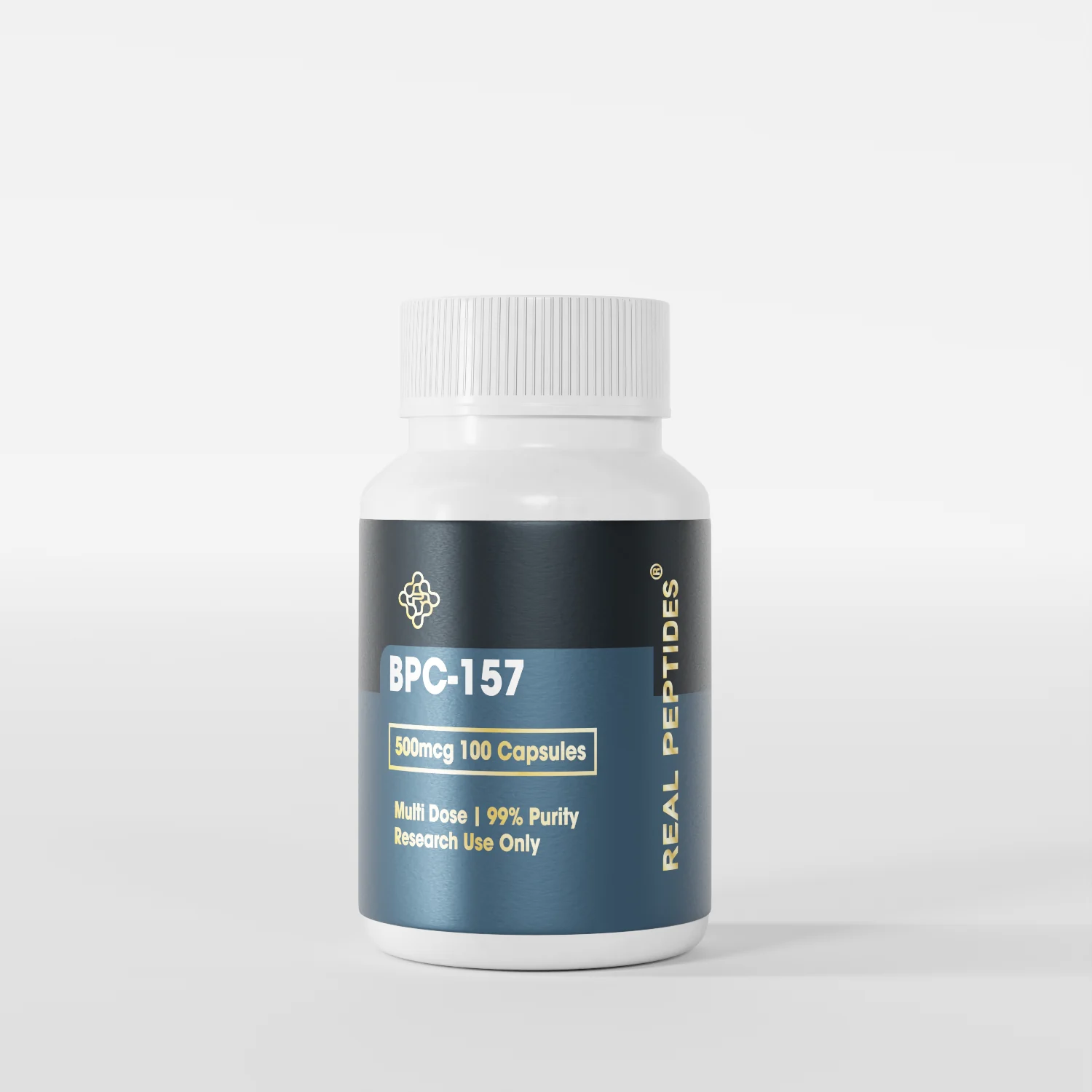
Independent guide to oral BPC-157 capsules
Oral BPC 157 research explained: why its gastric origin drew interest, what rodent studies cover, and why no controlled human trial backs the oral route.
BPC-157 is a synthetic chain of 15 amino acids derived from a protein found in human gastric juice, and that single fact explains most of the interest in oral BPC-157. A peptide that comes from the stomach environment invites the question of whether it survives being swallowed, and researchers have tested that in animals for years.
They have not, however, shown it to operate in humans. This guide discusses the range of research on the oral route and what the implications are if you are planning to buy capsules for research purposes. BPC-157 has not been approved by FDA, nor is anything here meant to suggest its use.
Researchers tested oral BPC-157 because of where the parent protein comes from. Most peptides are broken down by stomach acid and digestive enzymes, so the oral route is usually written off early in research.
The sourcing of BPC-157 from gastric source makes it a unique candidate for investigation. If a particular molecule is derived from an existing compound in gastric juice, it can be inferred that it is likely to perform better in terms of stability than traditional peptides.
A hypothesis is where it stays for human purposes. Stability in an animal gut model says nothing definite about absorption, distribution or effect in a person, and no controlled human trial has measured those for a capsule.
The bulk of BPC-157 research is rodent work on three tissue groups: tendon, muscle and gut. Some of that work gave the peptide by mouth; much of it did not.
With regards to oral BPC-157 specifically, the gut studies lend themselves to this application because the substance gets to the gut tissue right away when swallowed. Assertions that a capsule can work on a far-away muscle or tendon involve many assumptions; namely, gastric survival, subsequent absorption, and later actions. Each of these assumptions is mostly backed by data from animal studies.
We read a lot of vendor copy, and the common mistake is treating "studied in rats" as "shown to work." Those are different statements. Our page on BPC-157 and the gut goes further into the gut models.
Human data on BPC-157 is limited to small uncontrolled studies. There are no controlled human trials confirming any effect by any route, oral or injected.
Lack of a control group makes uncontrolled studies unable to distinguish between actual efficacy and other phenomenon such as natural cure, expectation or luck. Uncontrolled trials don’t help in detecting rare side effects as well. Hence, the consumer is faced with the only information source that represents research, namely animal studies, anecdotal evidence and seller’s statements.
Translating animal results to humans is also not a simple scaling exercise. Rodents differ in metabolism, gut transit and body size, which is one reason a study design that works in a rat says little about what a human capsule would do. Our dosage page explains why this also means there is no human dose to quote.
Capsules are a small, premium corner of the BPC-157 market. In our tracked set there is exactly one oral listing: Real Peptides BPC-157 Capsules, 100 capsules for $120.00 with a third-party COA.
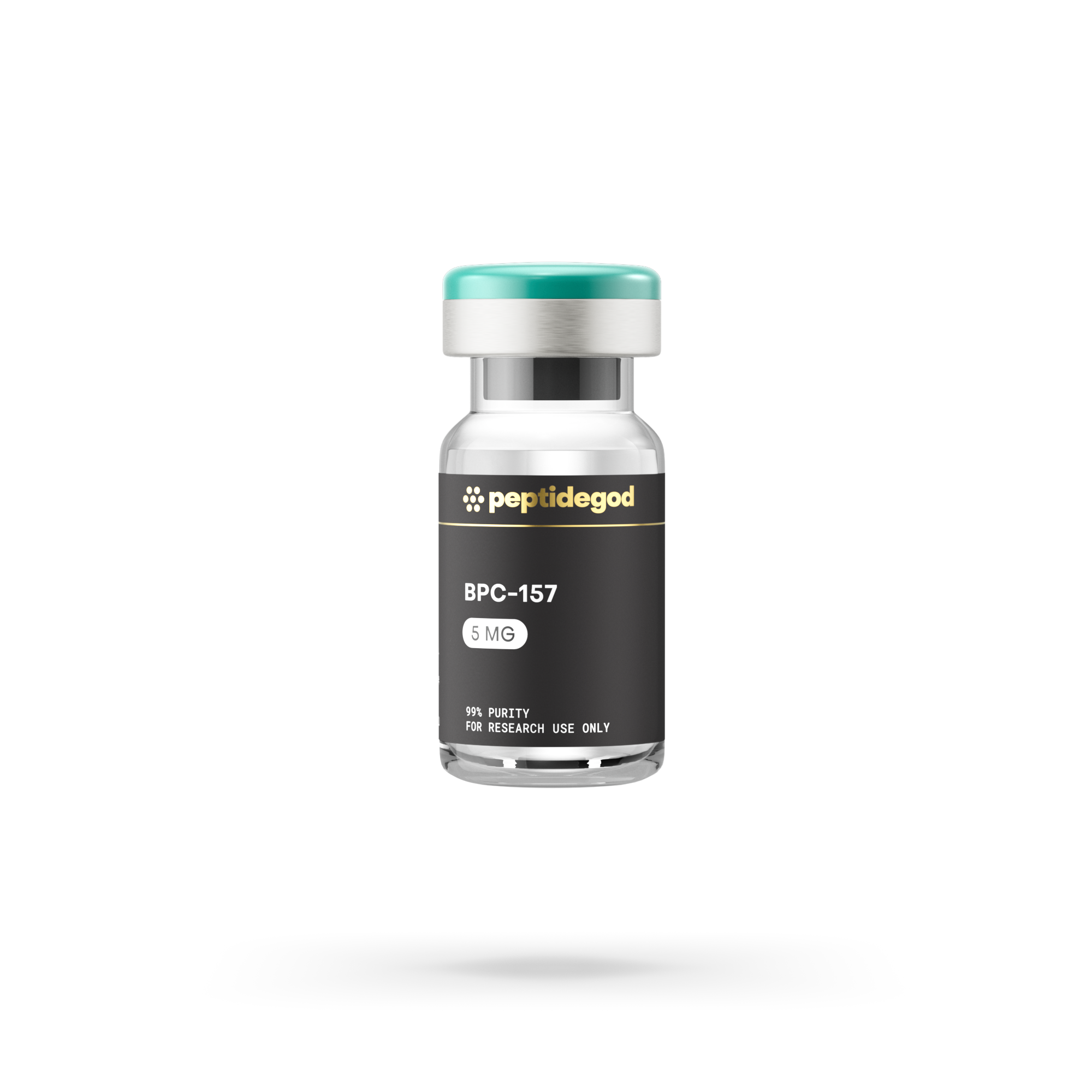
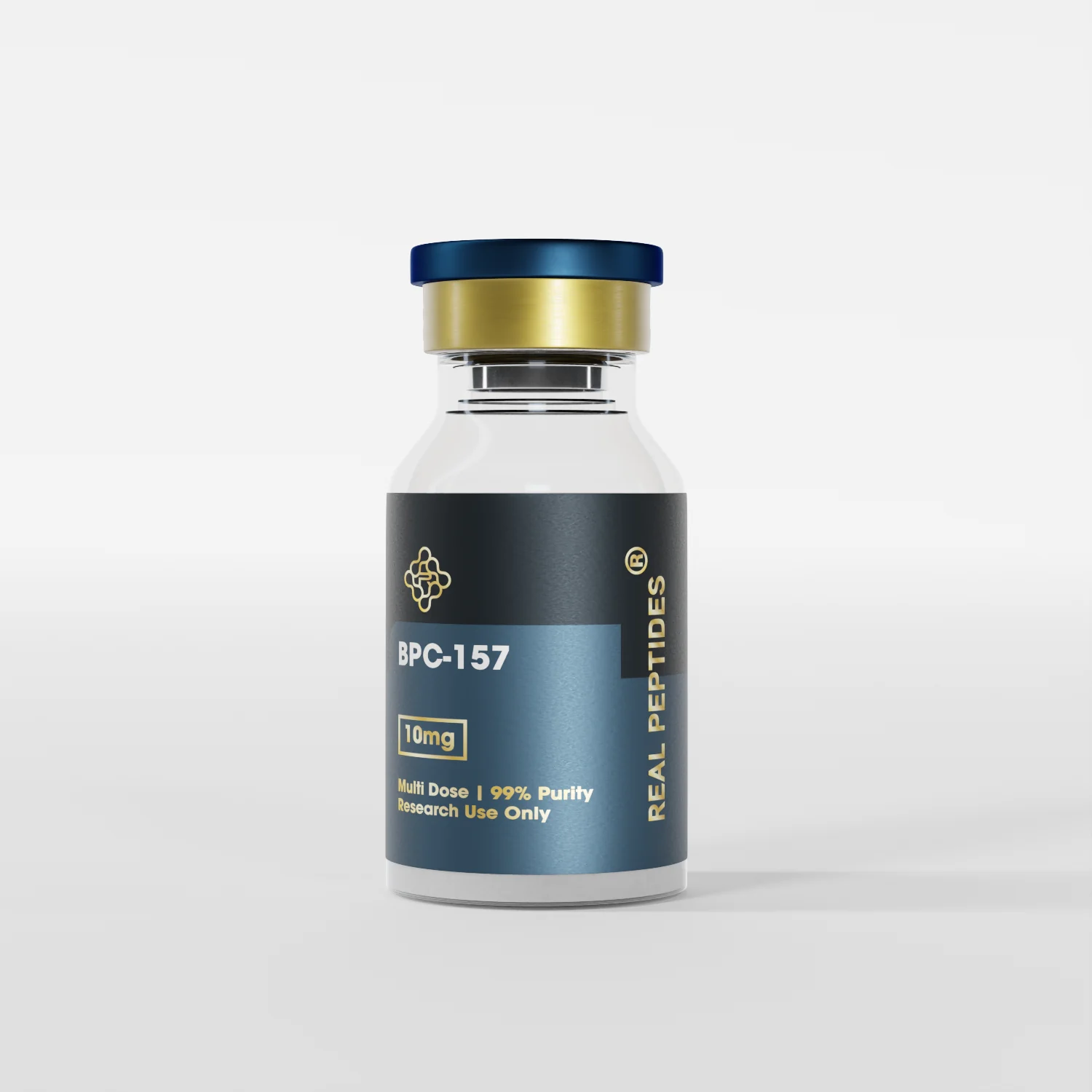
The other listings are lyophilized vials. Real Peptides sells BPC-157 10mg for $43.20, which works out to $4.32 per mg, and Peptide God sells BPC-157 powder for $34.95. The capsule vendor itself lists "significantly higher per-mg cost than vials" and "lower bioavailability expected vs injectable" as drawbacks.
So oral BPC-157 costs more and starts from weaker evidence. Buyers who still prefer it usually cite convenience for oral-route research designs, which is the one pro that holds up. The full cost comparison is on our oral vs injection page.
A capsule seller should answer a short list of questions before you pay. If they cannot, treat that as the answer.
The subject of oral BPC-157 is still a research topic with a remarkable origin story and little human evidence. Take care with any site claiming otherwise, and please consult with a physician before making any decisions about your health.
BPC-157 is a synthetic chain of 15 amino acids derived from a protein found in human gastric juice, and that single fact explains most of the interest in oral BPC-157. A peptide that comes from the stomach environment invites the question of whether it survives being swallowed, and researchers have tested that in animals for years.
They have not, however, shown it to operate in humans. This guide discusses the range of research on the oral route and what the implications are if you are planning to buy capsules for research purposes. BPC-157 has not been approved by FDA, nor is anything here meant to suggest its use.
Researchers tested oral BPC-157 because of where the parent protein comes from. Most peptides are broken down by stomach acid and digestive enzymes, so the oral route is usually written off early in research.
The sourcing of BPC-157 from gastric source makes it a unique candidate for investigation. If a particular molecule is derived from an existing compound in gastric juice, it can be inferred that it is likely to perform better in terms of stability than traditional peptides.
A hypothesis is where it stays for human purposes. Stability in an animal gut model says nothing definite about absorption, distribution or effect in a person, and no controlled human trial has measured those for a capsule.
The bulk of BPC-157 research is rodent work on three tissue groups: tendon, muscle and gut. Some of that work gave the peptide by mouth; much of it did not.
With regards to oral BPC-157 specifically, the gut studies lend themselves to this application because the substance gets to the gut tissue right away when swallowed. Assertions that a capsule can work on a far-away muscle or tendon involve many assumptions; namely, gastric survival, subsequent absorption, and later actions. Each of these assumptions is mostly backed by data from animal studies.
We read a lot of vendor copy, and the common mistake is treating "studied in rats" as "shown to work." Those are different statements. Our page on BPC-157 and the gut goes further into the gut models.
Human data on BPC-157 is limited to small uncontrolled studies. There are no controlled human trials confirming any effect by any route, oral or injected.
Lack of a control group makes uncontrolled studies unable to distinguish between actual efficacy and other phenomenon such as natural cure, expectation or luck. Uncontrolled trials don’t help in detecting rare side effects as well. Hence, the consumer is faced with the only information source that represents research, namely animal studies, anecdotal evidence and seller’s statements.
Translating animal results to humans is also not a simple scaling exercise. Rodents differ in metabolism, gut transit and body size, which is one reason a study design that works in a rat says little about what a human capsule would do. Our dosage page explains why this also means there is no human dose to quote.
Capsules are a small, premium corner of the BPC-157 market. In our tracked set there is exactly one oral listing: Real Peptides BPC-157 Capsules, 100 capsules for $120.00 with a third-party COA.
The other listings are lyophilized vials. Real Peptides sells BPC-157 10mg for $43.20, which works out to $4.32 per mg, and Peptide God sells BPC-157 powder for $34.95. The capsule vendor itself lists "significantly higher per-mg cost than vials" and "lower bioavailability expected vs injectable" as drawbacks.
So oral BPC-157 costs more and starts from weaker evidence. Buyers who still prefer it usually cite convenience for oral-route research designs, which is the one pro that holds up. The full cost comparison is on our oral vs injection page.